Why Digital Nomads Are Choosing Islands in 2026
The way people work and travel has changed dramatically over the past few years. Remote work is no longer a temporary experiment — it is the new normal for millions of professionals around the world. And with that shift, a growing number of remote workers are trading city apartments for island life, choosing to base themselves in destinations where ocean views replace office walls and morning surf sessions replace rush hour commutes.
In 2026, an estimated 50 million people worldwide identify as digital nomads, according to data published by Nomads.com (formerly Nomad List). More than ever, islands are rising to the top of the list — not just as vacation spots but as genuine places to live, work, and build a slower, more intentional lifestyle. Countries are rolling out dedicated digital nomad visas, co-working spaces are popping up in coastal towns, and communities of like-minded remote workers are forming on islands that most people only dream of visiting.
If you have ever imagined working from a beachside café with a strong WiFi signal and a view of turquoise water, 2026 might be the year to make it happen. Here are the best digital nomad islands to consider — and what makes each one worth the move.
The Best Digital Nomad Islands for Remote Work and Slow Living
Bali, Indonesia
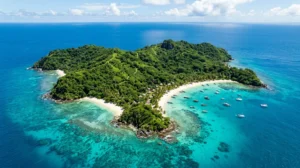
Bali remains the most iconic digital nomad island in the world, and for good reason. Areas like Canggu and Ubud have developed thriving remote work ecosystems with dozens of co-working spaces, fast internet, and a cost of living that allows most nomads to live comfortably on around $1,000 to $1,500 per month. Beyond the practical side, Bali offers something deeper — a culture rooted in spirituality, wellness, and community that draws people back year after year.
Indonesia has also been developing a digital nomad visa that could allow remote workers to live and work tax-free for extended periods. For those drawn to island wellness and mindful exploration, Bali continues to set the standard. The key is to look beyond the tourist zones. Quieter areas like Amed and Sidemen offer the same beauty and connectivity with far fewer crowds.
Madeira, Portugal
Madeira is the breakout digital nomad island of 2026. Tripadvisor named it the world’s top trending destination this year, and its popularity among remote workers has surged thanks to the digital nomad village initiative in Ponta do Sol. This program was specifically designed to attract location-independent professionals, offering high-speed internet, dedicated co-working spaces, community events, and housing support.
The Portuguese archipelago enjoys mild weather year-round, dramatic hiking trails along centuries-old irrigation channels called levadas, and a relaxed pace of life that feels worlds apart from mainland Europe. Funchal, the capital, adds urban amenities like cafés, restaurants, and a growing creative scene. For nomads who want a European base without the high costs of Lisbon or Barcelona, Madeira is hard to beat.
Koh Lanta and Koh Phangan, Thailand
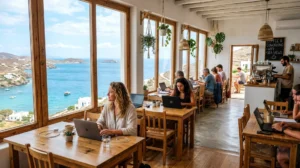
Thailand has long been a favorite for digital nomads, and in 2026, its islands are more appealing than ever. Koh Lanta is known for its laid-back atmosphere, affordable beachfront living, and established co-working spaces like KoHub, which has been drawing remote workers since 2014. Monthly costs can stay well under $1,000, making it one of the most budget-friendly island bases in the world.
Koh Phangan, famous for its Full Moon Parties, also has a quieter side that appeals to nomads seeking community without chaos. The island has strong WiFi infrastructure, growing co-living options, and a wellness scene that includes yoga retreats and holistic health centers. Both islands offer the kind of slow island living that pairs well with remote work — especially for those who value quiet retreats and digital balance.
Gran Canaria and Tenerife, Spain
The Canary Islands have quietly become one of Europe’s top digital nomad hubs. Las Palmas de Gran Canaria offers year-round warm weather, a vibrant international community, and some of the fastest internet speeds in Southern Europe. Spain’s digital nomad visa makes it possible to stay long-term with a clear legal framework, and the cost of living remains affordable compared to other Western European destinations.
Tenerife offers a more scenic alternative with dramatic volcanic landscapes, black sand beaches, and a growing café culture. Both islands sit in the same time zone as the UK and are just one hour ahead of UTC, making them ideal for remote workers serving European clients. If you loved the idea of micro-retirement islands and slow travel, the Canaries are a natural fit.
What Makes an Island Work for Digital Nomads
Not every beautiful island is a good fit for remote work. The destinations that consistently rank highest among digital nomads share a few critical qualities that go far beyond scenery.
Reliable internet is non-negotiable. Islands like Bali, Madeira, and the Canaries now offer speeds above 50 Mbps in most areas, with co-working spaces often exceeding 100 Mbps. Before committing to any island, nomads should verify connectivity through community forums and speed-test databases.
Visa accessibility matters more than ever. As of 2026, more than 60 countries offer some form of digital nomad or remote work visa. Portugal, Spain, Indonesia, Thailand, Barbados, and Costa Rica are among the most popular options for island-based remote workers. Each visa has different income requirements, duration limits, and tax implications, so research is essential before booking a flight.
Cost of living determines sustainability. Southeast Asian islands like Bali and Koh Lanta allow comfortable living under $1,500 per month, while European islands like Madeira and Gran Canaria typically range from $1,500 to $2,500. Understanding these numbers helps nomads plan stays that last months instead of weeks.
Community is what turns a destination into a home. The best digital nomad islands have active groups, regular meetups, and co-living spaces where remote workers can connect. Loneliness is one of the biggest challenges of the nomad lifestyle, and islands with established communities help bridge that gap.
How to Plan Your First Digital Nomad Island Stay

If the idea of working from an island appeals to you but feels overwhelming, start small. A one-month trial stay is enough to test the waters — literally and figuratively. Choose an island with strong nomad infrastructure, book a co-living space or short-term rental, and give yourself permission to settle in slowly rather than trying to see everything at once.
Research visa requirements well in advance. Some digital nomad visas take weeks to process, and income documentation or health insurance may be required. Plan your budget around realistic monthly costs, including rent, food, co-working fees, transportation, and a buffer for unexpected expenses.
Most importantly, approach island nomad life with the same intentionality that defines the best travel experiences. This is not about escaping your life — it is about designing one that allows you to work with purpose and live with presence. The islands are not going anywhere, but the opportunity to build a location-independent lifestyle has never been more accessible than it is right now.
The Future of Island Living for Remote Workers
The digital nomad island trend is not a passing phase. As remote work becomes more permanent across industries, and as island destinations continue investing in infrastructure to attract long-term visitors, the line between travel and lifestyle will keep blurring. Islands offer something that cities cannot — natural boundaries that encourage slower rhythms, deeper connections, and a healthier relationship with work.
Whether you are drawn to the spiritual energy of Bali, the hiking trails of Madeira, the surf breaks of Koh Lanta, or the sunshine of Gran Canaria, 2026 is the year to explore what island life could look like for you. The world of remote work has given us the freedom to choose where we live. The smartest digital nomads are choosing islands — and they are not looking back.