
Why Okinawa Is Trending as a Top Island Destination for 2026
Okinawa is no longer one of Japan’s best-kept secrets. Expedia named this subtropical island chain the second-most trending travel destination in the world for 2026, with a 71% year-over-year increase in flight and accommodation searches. Travelers are choosing Okinawa over more familiar Japanese destinations like Tokyo and Kyoto, drawn by its pristine beaches, unique Ryukyuan culture, and a pace of life that feels worlds apart from mainland Japan.
For island travel enthusiasts, Okinawa checks every box. It offers the natural beauty of a tropical paradise — turquoise waters, coral reefs, lush jungles — combined with the safety, infrastructure, and hospitality that Japan is famous for. Whether you are planning a beach vacation, a cultural deep dive, or a wellness-focused escape, Okinawa deserves a spot at the top of your 2026 travel list.
What Makes Okinawa Different from Mainland Japan
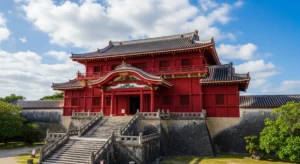 Okinawa is not simply a southern extension of Japan. It is an entirely different world with its own history, language, cuisine, and identity. The islands were once the independent Ryukyu Kingdom, a thriving maritime trading nation with deep connections to China, Southeast Asia, and the broader Pacific. That independence lasted for centuries before the islands were absorbed into Japan in the late 1800s, and the cultural legacy of the Ryukyu era is visible everywhere — in the architecture, the music, the textiles, and the food.
Shuri Castle in Naha, a UNESCO World Heritage site, is one of the most striking examples of Ryukyuan culture. The red-lacquered palace was influenced by Chinese architectural styles and served as the political center of the Ryukyu Kingdom. After a devastating fire in 2019, the castle has been undergoing full reconstruction, with the exterior of the main hall already completed and the full restoration expected by autumn 2026. Watching a living monument come back to life adds a powerful dimension to any visit.
The Okinawan language, local festivals, and traditional performing arts like Eisa drumming further separate the islands from the rest of Japan. For travelers who have already explored emerging island destinations and are looking for something genuinely distinct, Okinawa delivers an experience that no other Japanese prefecture can match.
Beaches, Reefs, and Natural Beauty Across the Islands
Okinawa Prefecture consists of more than 160 islands, around 50 of which are inhabited. This means the beach and nature options are staggering in both variety and quality. The main island of Okinawa offers popular spots like Okuma and Manza, but the most breathtaking beaches are found on the outer islands — Miyako, Ishigaki, Kerama, and beyond.
Miyako Island
Yonaha Maehama Beach on Miyako Island is consistently ranked among the best beaches in East Asia. The sand is exceptionally fine and white, stretching for over four miles along water that shifts between every shade of blue imaginable. It rarely feels crowded, making it ideal for travelers who value peace and space over spectacle.
Ishigaki and the Yaeyama Islands
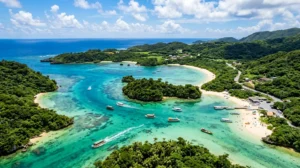 Ishigaki Island is a gateway to the Yaeyama chain, one of the most biodiverse marine environments in Japan. Kabira Bay is famous for its black pearl cultivation and glass-bottom boat tours, while Yonehara Beach is a top snorkeling destination. The surrounding waters are home to sea turtles, manta rays, and vibrant coral formations — a paradise for divers and ocean lovers.
Kerama Islands
Just a short ferry ride from Naha, the Kerama Islands are part of a national park known for crystal-clear visibility that can exceed 50 meters. Whale watching is popular here from January through March, and the islands offer some of the most pristine diving and snorkeling in the Pacific. For anyone who values responsible island travel without the crowds, the Keramas are a perfect fit.
Okinawa as a Blue Zone: Longevity, Wellness, and Slow Living
Okinawa is one of the world’s recognized Blue Zones — regions where residents live significantly longer than the global average. The Okinawa Centenarian Study, established in 1975, is the longest-running study of its kind, and it has documented how Okinawans have historically experienced lower rates of heart disease, cancer, and dementia compared to most of the developed world.
Several cultural traditions are often cited as contributing factors. Ikigai — the concept of having a clear reason to wake up each morning — gives Okinawans a sense of purpose that extends well into old age. Moai are lifelong social support groups formed in childhood that provide companionship, emotional support, and accountability throughout a person’s entire life. Hara hachi bu, the practice of eating until only 80% full, reflects a mindful approach to food that travelers can experience firsthand through Okinawan cuisine.
For travelers interested in island wellness and intentional living, Okinawa offers more than scenery. It offers a philosophy of life that visitors can observe, participate in, and carry home with them.
What to Eat in Okinawa: A Cuisine Unlike Anywhere Else in Japan
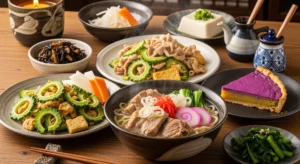 Okinawan food is distinct from mainland Japanese cuisine, shaped by the islands’ subtropical climate and centuries of trade with neighboring cultures. The traditional diet is rich in vegetables, tofu, sweet potatoes, and seaweed, with smaller amounts of fish and pork.
Some dishes you should not miss include goya champuru, a stir-fry featuring bitter melon, tofu, egg, and pork belly — considered the signature dish of Okinawan home cooking. Soki soba is the local noodle soup, made with tender pork spare ribs in a rich broth that differs entirely from mainland ramen. Beni imo, the purple sweet potato, appears in everything from tarts to ice cream and is one of the most iconic flavors of the islands. And mozuku, a slimy seaweed harvested from Okinawan waters, is served with vinegar and believed to support gut health.
Visiting local markets like Makishi Public Market in Naha gives travelers a vivid introduction to Okinawan ingredients and cooking traditions. Many cooking classes are also available for those who want to learn hands-on from local chefs.
How to Plan an Okinawa Trip in 2026
Getting to Okinawa is easier than most travelers expect. Naha Airport (OKA) receives direct flights from Tokyo Haneda and Narita (approximately three hours), as well as connections from Osaka, Fukuoka, and several international cities. Budget carriers like Peach and Jetstar make the route affordable, and Japan Airlines offers detailed Okinawa travel resources for international visitors planning their first trip.
The best time to visit is generally from March through November. Spring and autumn offer pleasant weather with fewer crowds and lower prices, while summer brings peak tourism and occasional tropical storms. Renting a car is recommended for exploring the main island and is essential for reaching more remote beaches and cultural sites outside of Naha.
Costs in Okinawa are generally lower than on mainland Japan. Accommodation, food, and transportation are more affordable, making it possible to enjoy a high-quality island experience without the budget pressure of Tokyo or Kyoto. For travelers who approach their trips with the same slow travel mindset that defines the best island experiences, Okinawa rewards those who stay longer and dig deeper.
Why 2026 Is the Year to Visit Okinawa
Several factors make 2026 an especially good year to visit. The ongoing restoration of Shuri Castle, expected to be complete by autumn, will give visitors a chance to see a UNESCO World Heritage site reborn. Junglia, a new theme park on the northern part of the main island, is adding family-friendly appeal. And Expedia recognized Okinawa for meeting its Smart Travel Health Check framework, aligned with World Travel and Tourism Council principles, for the region’s efforts to promote sustainable tourism through coral reef restoration and renewable energy.
Okinawa is rising fast, but it has not yet reached the overcrowding levels seen in Tokyo, Kyoto, or even Bali. That window will not stay open forever. For travelers looking for a destination that combines tropical island beauty with deep cultural richness, world-class food, and a genuine connection to wellness and longevity — Okinawa in 2026 is the answer.