
Summer travel does not have to mean chasing the highest temperatures. For some travellers, the better escape is an island with fresh air, long daylight, walkable landscapes, and a slower pace. That is the appeal of a coolcation: a trip chosen for milder conditions instead of peak heat.
A coolcation is not a promise of perfect weather. Islands can change quickly, and that is part of their character. The most rewarding plan matches your interests and tolerance for wind or rain with a destination that feels right for the season.
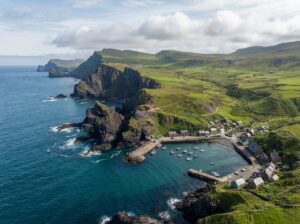
What makes an island coolcation work?
Interest in cooler destinations is growing as travellers look for relief from intense summer heat and crowded resort periods. The Global Sustainable Tourism Council shared Trip.com Group data on this shift in its coolcation travel overview. Its guidance also makes an important point: a climate-aware trip should consider local impacts, transport choices, and the benefits of staying longer rather than rushing through a destination.
Think beyond the temperature
Temperature is only one part of the choice. A cool island may also bring strong wind, sea mist, rain, or changing visibility. Before booking, ask what you want from each day. If you enjoy museums, cafés, local food, and coastal scenery, a rainy afternoon can still be worthwhile. If the trip depends on a demanding hike or boat excursion, build in a backup day and choose flexible options where possible.
Decide what comfortable means to you. Some travellers want a gentle summer average and easy access to water. Others welcome a windier North Atlantic setting for dramatic landscapes and fewer hot nights. Treat every destination list as a starting point, not a guarantee.
Choose a destination for conditions
Consider the Faroe Islands for cool summer air
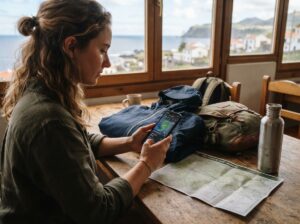 The Faroe Islands suit travellers who enjoy a bracing, landscape-led break. The official tourism authority describes a mild oceanic climate, with average summer conditions of about 10 to 13°C, alongside wind, mist, and rapid changes. Read the official Faroe Islands weather guidance before planning walks or boat trips, then check local forecasts close to departure.
This is not a destination for a packed, hour-by-hour schedule. Leave room to pause in Tórshavn, change a hiking plan, or take a scenic drive when visibility is better elsewhere. Waterproof layers, supportive shoes, and patience are more valuable than an itinerary built around one perfect day. In return, you may experience long daylight, green slopes, seabird-filled cliffs, and a powerful sense of space.
Use the Azores for a mild, active rhythm
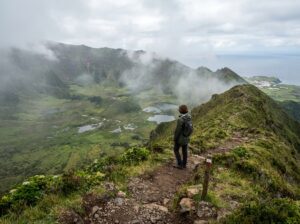
The Azores can suit travellers who want a temperate Atlantic escape with volcanic scenery and outdoor options. Conditions vary across the archipelago and by elevation, so build plans around the island you will actually visit. On Corvo, the official Azores Trails site lists average summer temperatures of about 20°C and recommends good weather and visibility for its protected-area trails. Review the official Corvo trail information before committing to a crater walk.
Pair one outdoor morning with a local food stop, a coastal town, or an indoor cultural visit. This avoids treating every day as a summit day and lets you spend more time in one place instead of turning an island break into a series of rushed transfers.
Match the island to your style
Choose places and activities that still appeal when clouds arrive. A photographer may welcome shifting light. A couple seeking rest may prefer a small town, sea views, and a slow lunch. Families may need short walks, flexible museums, and accommodation with an easy place to regroup. Start with the experience you want, then assess the climate and logistics that make it realistic.
Build a shoulder-season plan with room to adapt
Shoulder season can help spread visitor demand beyond the busiest weeks, but it is not a shortcut to empty places or lower costs. Local festivals, school holidays, trail maintenance, and limited transport can still shape the experience. Check what is open, how often connections run, and whether your preferred activities operate in the month you plan to travel.
Give yourself extra time between islands, airports, ports, and accommodation. Weather-related changes can happen, and tightly connected tickets can turn a short delay into a major problem. Read change and cancellation terms before paying, keep important contact details available offline, and avoid assuming a route will operate exactly as it did in a previous season.
Pack for changeable island weather
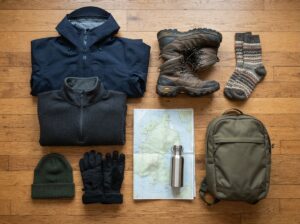
Good layers are the foundation of a comfortable coolcation. Start with a moisture-wicking base layer, add a warm mid-layer, and bring a waterproof outer shell. A hat, gloves, and dry socks can be useful even in summer when you are on a ferry, near a cliff, or caught in a sudden shower. Choose footwear for the ground you will actually cover, not only for photographs.
Bring a reusable water bottle, a small day bag, sunscreen, and a power bank, but keep the packing list practical. Download maps before leaving reliable Wi-Fi and carry safety essentials recommended by the local authority. Check trail conditions on the day, respect closures, and turn back if visibility or wind makes a route unsafe.
Travel responsibly in a cooler season
A cooler destination is not automatically a low-impact destination. Fragile trails, small ferry systems, limited waste facilities, and local housing pressures still matter. Choose locally owned stays and restaurants where possible, buy from independent businesses, and follow site-specific rules rather than assuming every viewpoint or path is open to visitors.
For more ways to reduce pressure on island communities, read our guide to responsible island travel. If you are looking for places beyond the usual resort circuit, our article on emerging island escapes offers further inspiration. You can also pair a cooler trip with gentle movement and mindful downtime through our island wellness adventure ideas.
Respect is especially important when weather disrupts plans. Do not pressure guides or operators to continue in unsafe conditions. Keep noise down in small communities, ask before taking portraits, take your rubbish with you, and avoid entering private land or closed trails. These small choices help make travel feel more reciprocal and less extractive.
Let comfort guide the journey
Coolcation islands offer a different kind of summer escape: one with room to walk, think, and adjust as weather changes. Choose a place that feels rewarding in several conditions, build in buffer time, and let the island set a more realistic pace. Check official guidance before booking, stay flexible after you arrive, and enjoy the quieter pleasures of a cooler island day.